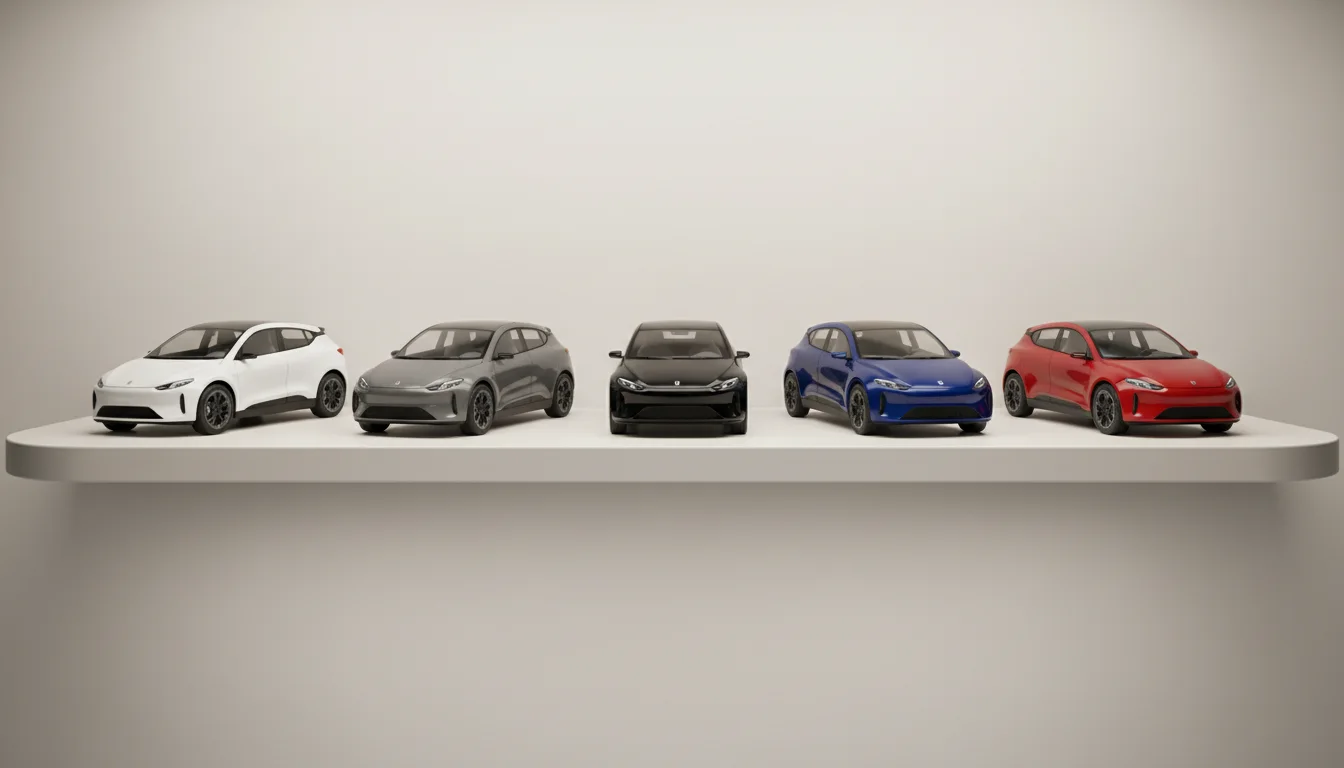













Half the arguments about cars begin with what things are called. Is that a crossover or an SUV, a saloon or a sedan, an estate or a wagon, and why does the coupe have four doors? Body type language mixes engineering, regional dialect and marketing ambition, and buyers navigate it daily when they set search filters. Here is the working taxonomy, with the honest blur left visible.
The core shapes
- Hatchback: the rear door opens with the glass, cabin and boot share one volume
- Saloon or sedan: three distinct volumes, a separate boot, the classic silhouette
- Estate or wagon: a saloon's length with the roofline extended to the tail
- SUV: tall body, raised seating, off road stance whether or not off road ability
- Crossover: SUV styling on a car platform, the market's centre of gravity
- Coupe: traditionally two doors and a falling roofline, now mostly the roofline
- Convertible: the roof folds, everything else is negotiable
- MPV and van: maximum cabin for people or cargo, honesty in box form
- Pickup: open cargo bed, body on frame more often than not
Where the labels blur, on purpose
Marketing discovered that SUV sells and coupe sounds fast, and the taxonomy has been stretched ever since: four door coupes, coupe SUVs, crossovers badged as SUVs, and fastbacks that are hatchbacks in evening wear. None of this is illegal and all of it lands in your search filters, where a buyer looking for an estate misses the crossover that would have suited them because the label led elsewhere. The lesson for platforms is not to fight the language but to stop relying on it alone.
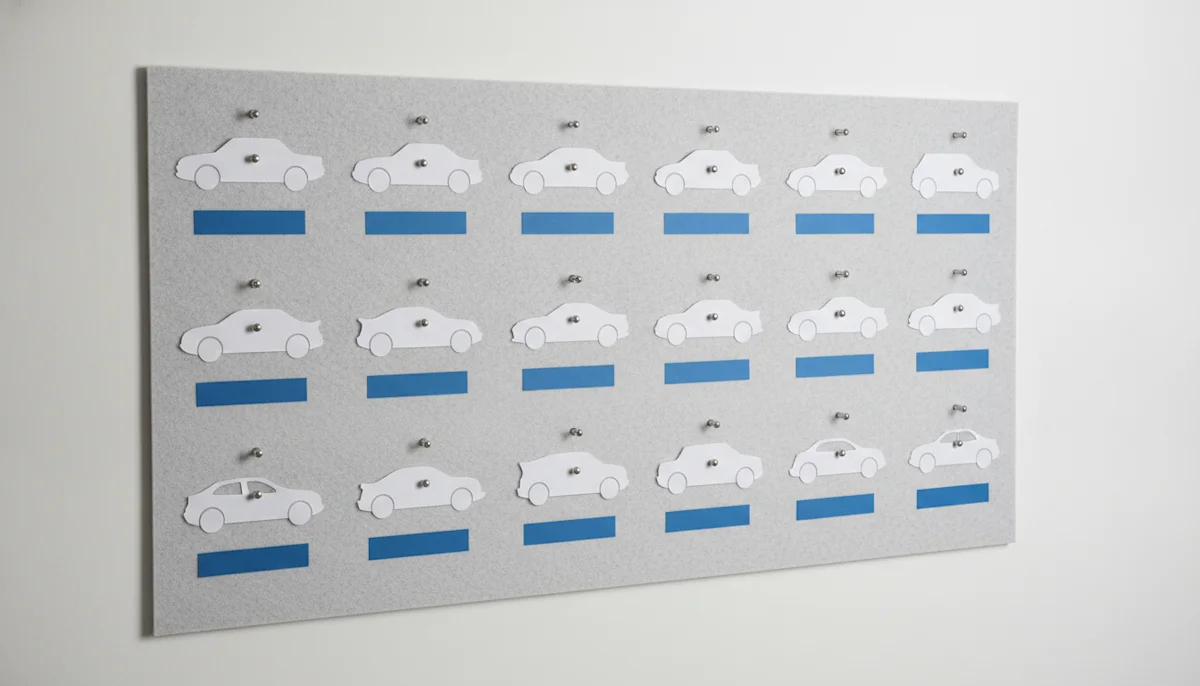
Filters need pictures
Body type is the most visual attribute a car has, and most platforms filter it with text checkboxes. Filters that pair each body type with a silhouette or a rendered example car teach the taxonomy while it is being used: the buyer who did not know crossover sees the shape and recognises their intent. With consistent imagery, profile views especially, the filter row becomes a visual glossary, and misfiltered searches drop measurably.
Regional dictionary, briefly
Saloon and sedan are the same car crossing the Atlantic, as are estate and wagon. MPVs answer to minivans in North America, and people carrier survives in Britain. Pickup means one thing in Texas and something more compact in most other markets. If your platform spans regions, store the shape as data and translate the label per market, because the vehicle does not change at the border, only the noun does.
Buyers shop with shapes in their heads. Labels are just the compression format, and it is lossy.
For teams building search: the vehicle search guide covers the mechanics of image led filtering, and the body type row is the first place it pays. For everyone else: the next time the crossover argument starts at dinner, the answer is that the marketing department won, and the platform underneath is a car.
A closing tip for content teams: body type pages like this one are steady search performers precisely because the confusion never resolves. Pair each shape with consistent profile imagery and internal links to the matching inventory filters, and the glossary quietly becomes one of the site's better converting entry pages.