











Online retail settled its imagery rules twenty years ago: every product on white, every variant pictured, every angle a click away, identical framing across the entire shop. Car commerce is only now arriving at the same conclusions, dragged there by customers whose expectations were trained by everything else they buy. The gap between how retailers show a kettle and how the car business shows a thirty thousand euro vehicle remains one of the strangest asymmetries on the internet.
What ecommerce got right, translated
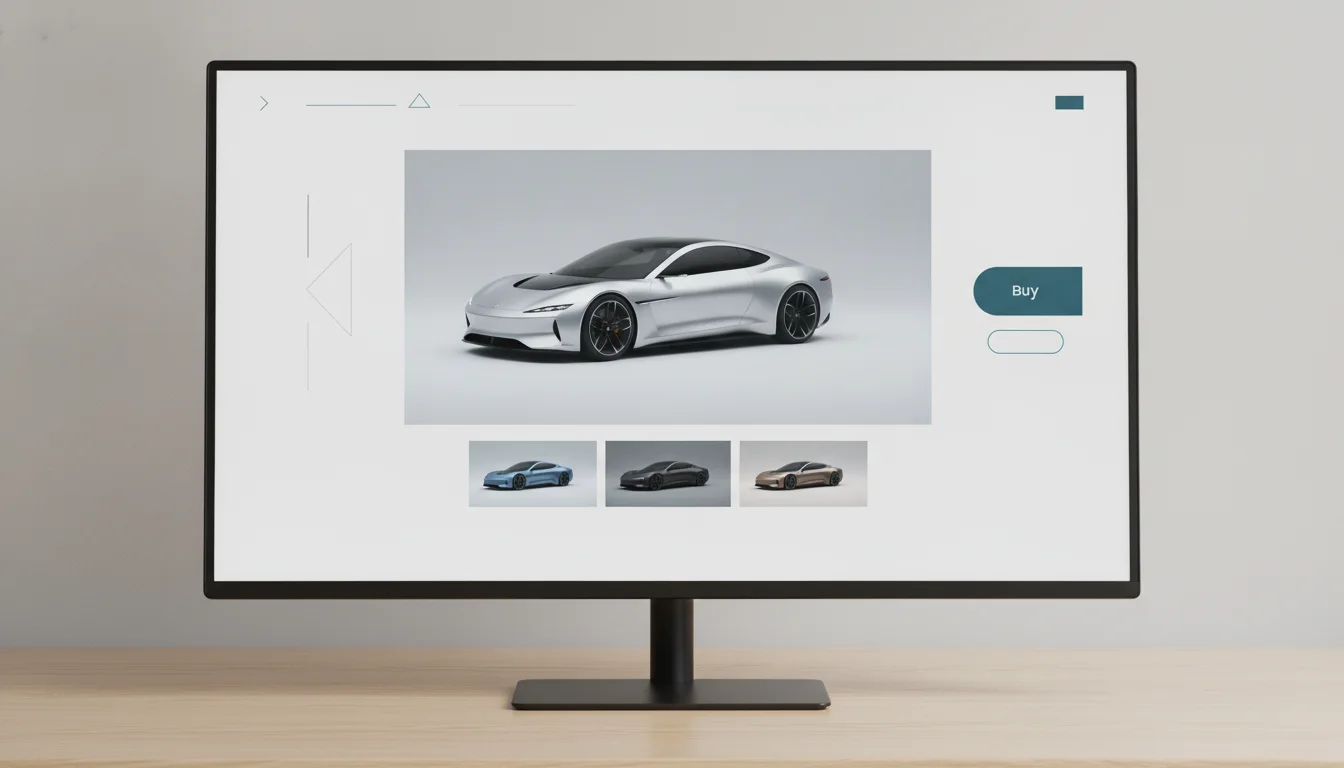
The retail playbook translates almost line by line. The consistent white background becomes the consistent studio treatment. The variant picker that shows the red shirt in red becomes the colour picker that repaints the actual trim. The three sixty spin that shops reserve for hero products becomes the complete angle set served for every vehicle. None of these are exotic in retail; all of them still count as ambitious in automotive, which is precisely the opportunity.
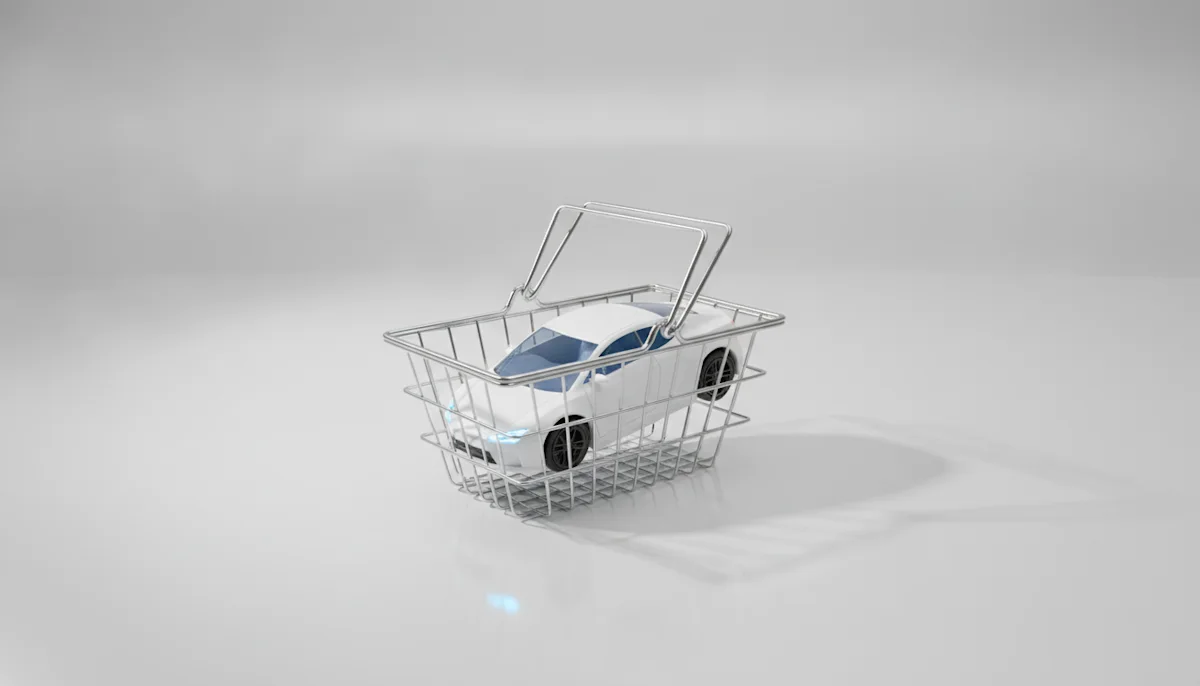
- Every vehicle pictured, no empty slots, ever
- Variants shown as images, never as text plus imagination
- Identical framing, so category pages read as one shop
- Angles and interior a tap away, sized for the device
Where cars genuinely differ
Vehicles break the retail model in two honest places. First, used cars are unique objects, so the evidence photography of the specific example matters in a way no kettle requires; the answer is the two layer listing, reference plus condition, rather than pretending either layer suffices alone. Second, the purchase is configured rather than picked from stock: trims, colours and options multiply into combinations no warehouse photographer will ever shoot, which is exactly the hole rendering fills.
The catalogue is the shop
Ecommerce teams talk about product information management the way the car business talks about inventory, and imagery belongs inside that discipline rather than beside it. When the vehicle record carries its correct trim level images the same way it carries its price, every downstream surface, from category grid to checkout confirmation, inherits correctness automatically. When imagery lives in a folder next to the system instead, every surface reinvents its own mistakes.
Conversion mechanics, borrowed intact
The retail lessons about images and conversion carry over with embarrassing directness. Bigger, faster galleries lift engagement. Variant images lift add to cart, which in car commerce means enquiries and reservations. Consistent category grids lift click through from search. And image gaps kill: retail learned that a product without a picture may as well be out of stock, and a vehicle listing without a proper image set is exactly that, an availability bug wearing a photography excuse.
Nobody would launch a shop where a third of the products have no photos. Car platforms do it every day and call it a backlog.
The practical path starts where retail started: standardise the catalogue imagery, then let merchandising get creative on top of a reliable base. The vehicle image API is that base for cars, and the digital showroom guide covers the experience layer that earns its keep above it.