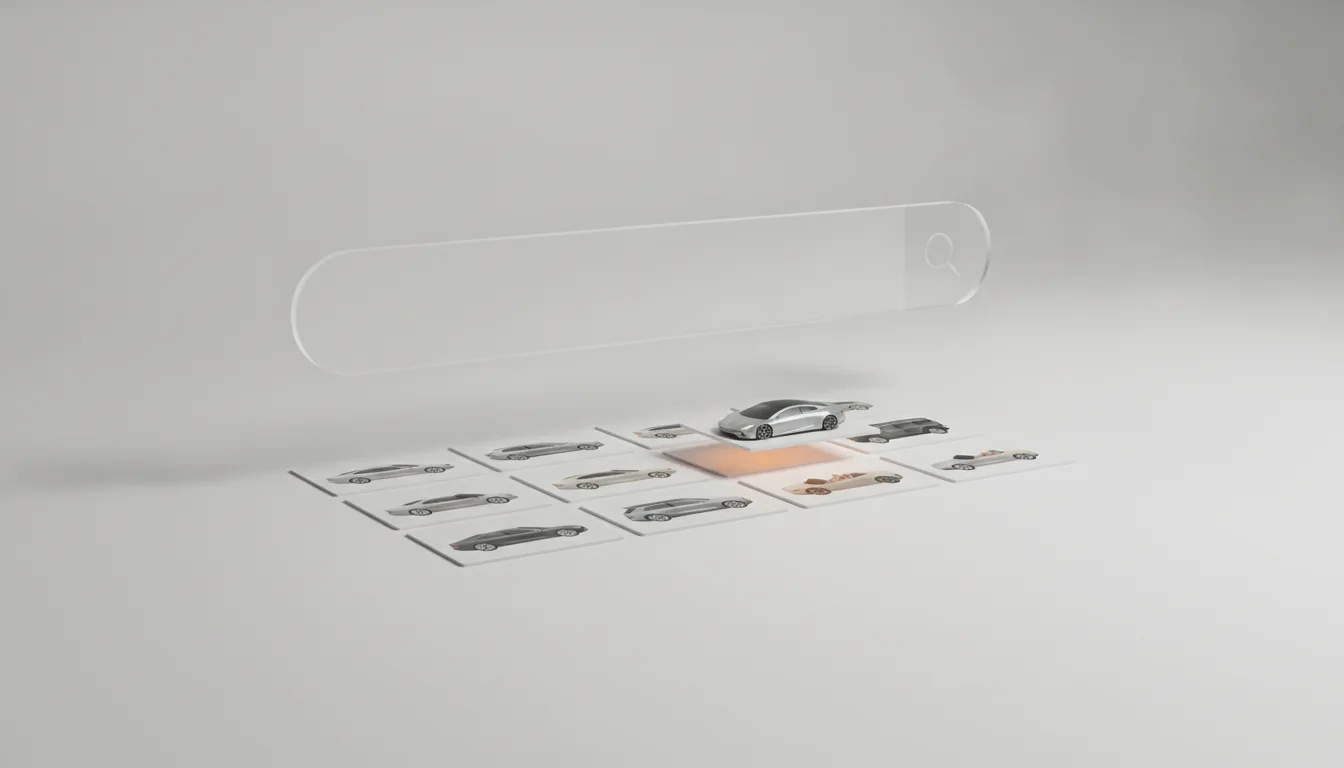












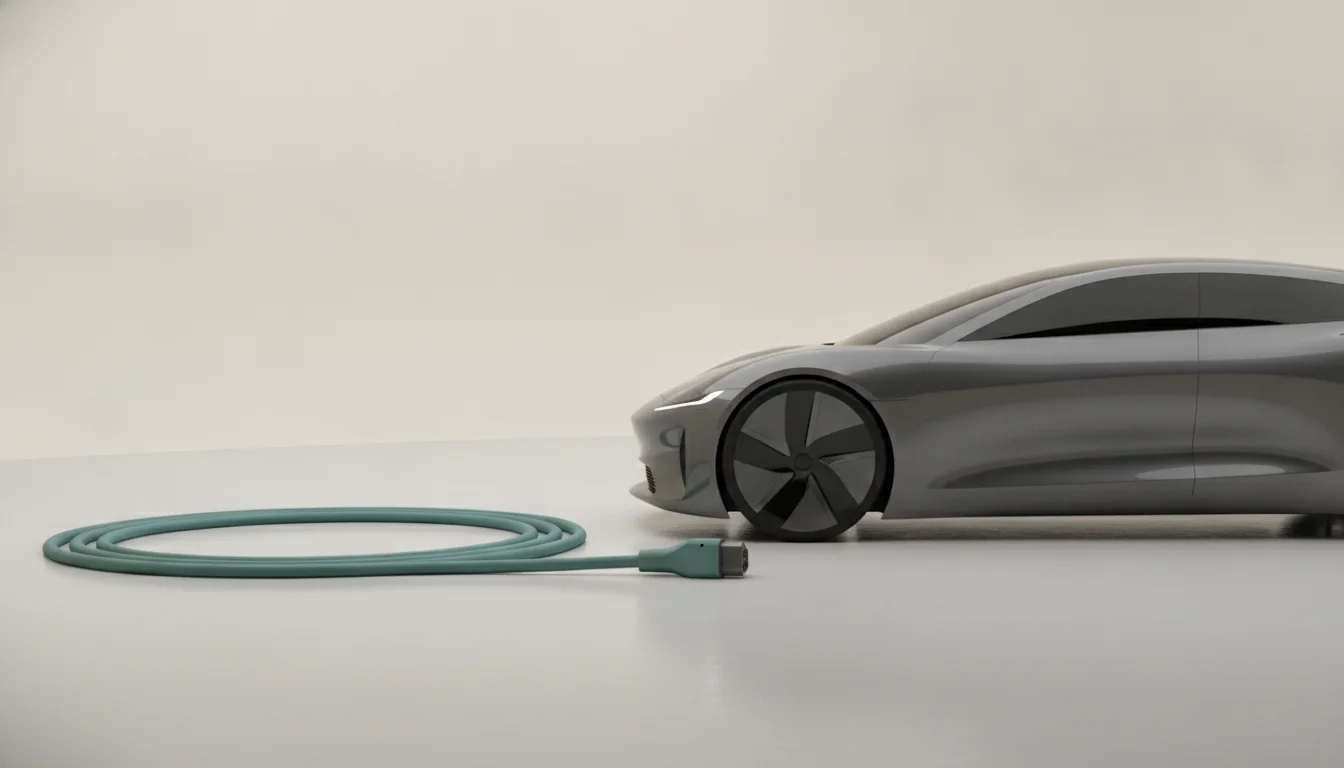
Electric vehicles look like a drivetrain change and behave, for image catalogues, like a market reset. New brands arrive quarterly, established models facelift on software schedules rather than seven year cycles, and the cars themselves moved the visual information to new places. Platforms that treat EV imagery as business as usual keep discovering the gaps one support ticket at a time, so here is the map of what actually changed.
The brand explosion
The last five years added more car brands than the previous thirty, and every one of them hits marketplaces, insurers and leasing platforms before any photo ecosystem exists. The launch gap article covers the mechanics; the catalogue consequence is blunt: coverage must come from specification data, because for a brand that is eight months old, there is nothing else to come from.
Faster cycles, quieter facelifts
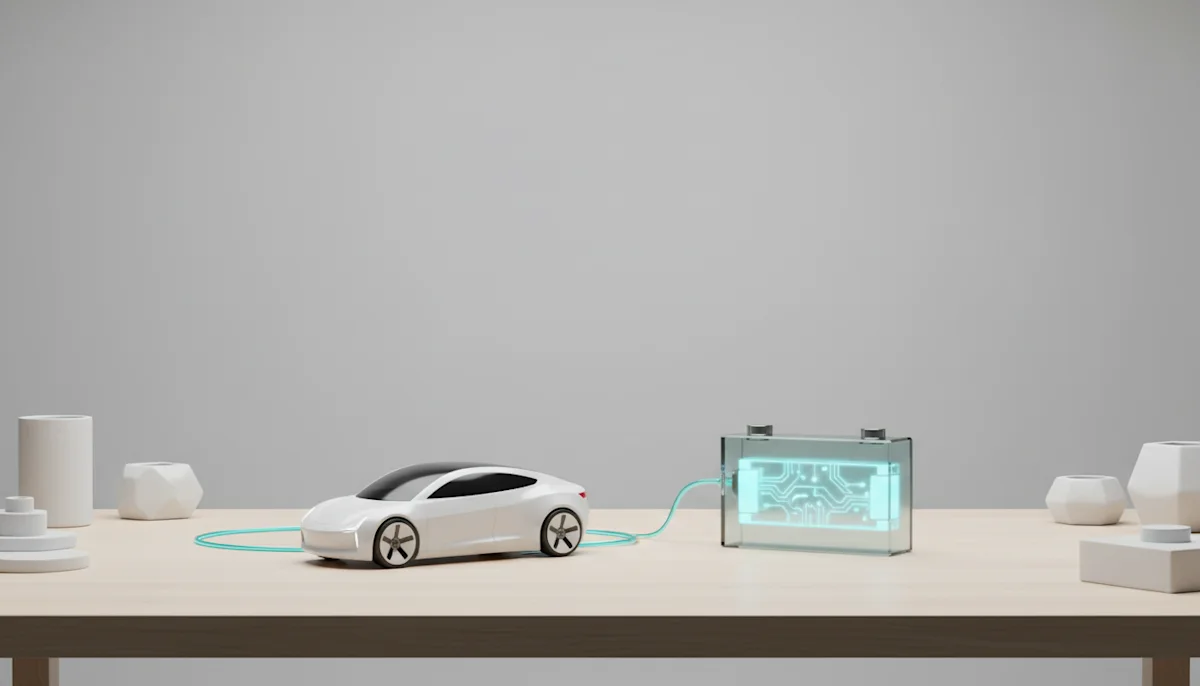
EV model years change the way software changes: a new battery option here, a refreshed fascia there, mid cycle and without ceremony. Catalogues built on stable IDs absorb this as data updates, with the response flagging when a requested year falls back to its neighbour. Catalogues built on photo folders absorb it as silent wrongness, last year's bumper illustrating this year's car, which buyers of exactly these detail obsessed vehicles notice first.
The visual grammar shifted
- Closed front fascias make colour and trim the face's main story
- Wheels carry aero variants that owners genuinely compare
- The frunk joined the boot as an angle buyers expect
- Charge port position matters to anyone with a driveway cable
- Interiors centre on screens, making the dashboard view decisive
The practical upshot: the complete angle set plus interior views stopped being thoroughness and became the baseline, and accurate factory colours moved from nice to necessary, because on a grille less face, paint is most of the design.
Range anxiety, image edition
EV shoppers research harder than any segment, cross checking trims, wheels and heat pumps across tabs at midnight. Imagery that matches specification exactly earns outsized trust with this audience, and imagery that mismatches loses it twice as fast, because these buyers assume error nowhere and check everywhere. Trim level accuracy is not a premium feature for the EV shelf. It is the entry ticket.
EV buyers read spec sheets for fun. Show them the wrong wheels and they will tell the forum by morning.
For platforms weighing the work: the same catalogue that solves EVs solves everything else, because the requirements, data driven coverage, fast updates, exact trims, were always the right ones. Electric vehicles just removed the option of ignoring them. The coverage page shows how new brands and model years arrive in practice.
A checklist for the EV shelf
- Every listed EV brand covered, including the eight month old ones
- Model year fallbacks flagged in responses and handled in the UI
- Frunk, charge port and dashboard views available where buyers expect them
- Factory colours exact, because the paint is the face now
- Wheel aero variants matching the trim on record
Run your current EV inventory against those five lines and the gaps will name themselves, usually in the order buyers would have found them.